

The Challenge
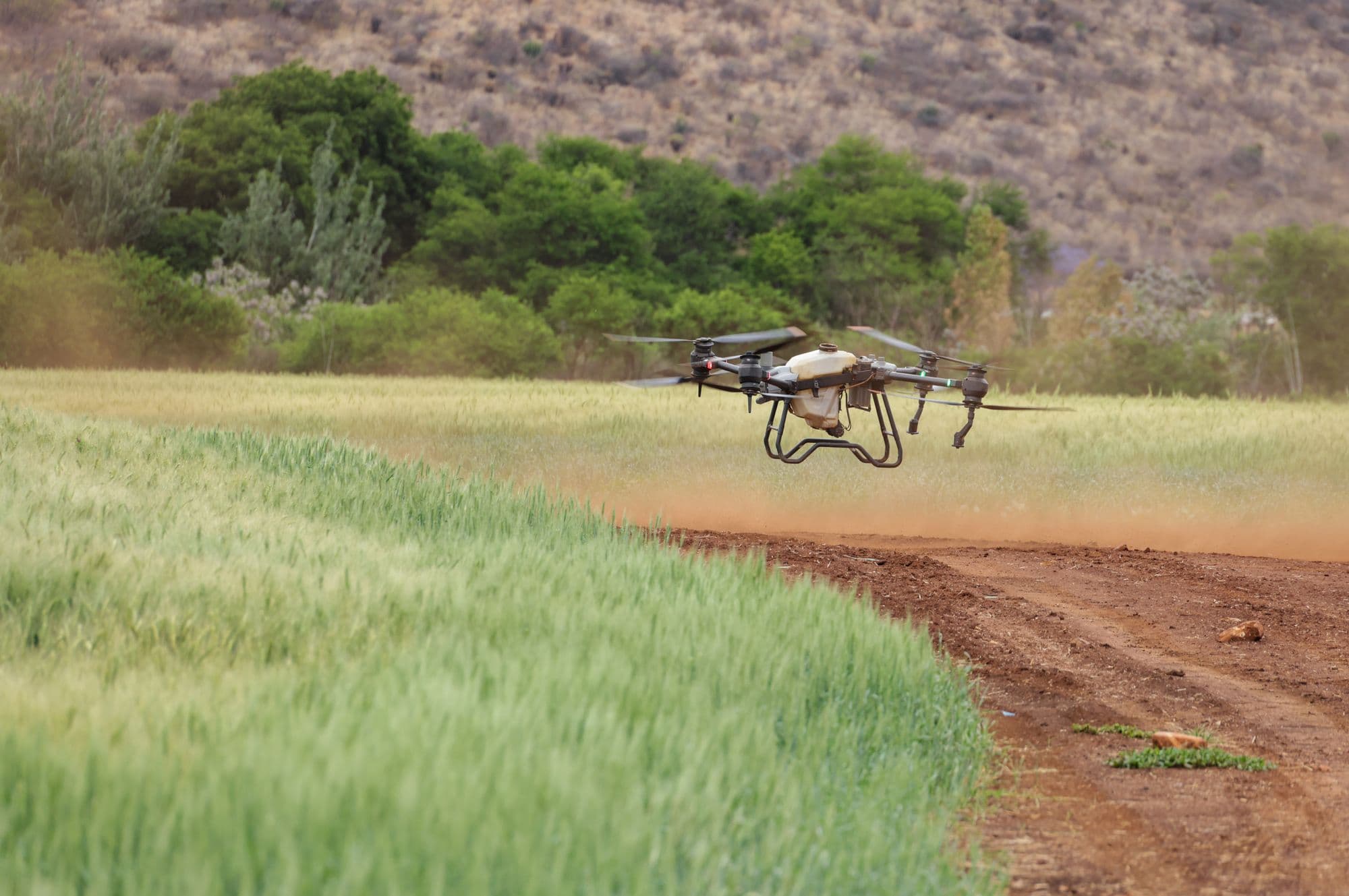
The agribusiness runs a modern precision-farming operation: IoT sensors across paddocks and sheds, automated irrigation and machinery, operational technology (OT) in processing and storage, and cloud platforms that turn field data into yield and logistics decisions. That digital transformation lifted productivity, but it also connected once-isolated equipment to corporate networks and the internet.
Agriculture sits inside national food supply chains, and disruption carries consequences well beyond a single business. Much of the OT and IoT estate was never designed with security in mind, ran outdated firmware and used default credentials, while seasonal, high-tempo operations meant downtime was rarely acceptable. The company needed to understand its real exposure across both IT and OT without disrupting live production, and to protect the business data that underpins its supply-chain commitments.
Our Approach
StrikeCyber scoped a careful, safety-first assessment that treated the OT environment with the caution it demands, testing around live production rather than through it.
- Reconnaissance and external attack surface mapping using StrikeCyber's autonomous reconnaissance, part of our AI-augmented offensive security platform, to inventory internet-exposed devices, remote-access services and OSINT that would guide a real attacker.
- Penetration testing and vulnerability assessment of corporate IT, the cloud data and analytics platforms, and the boundaries between IT and OT networks.
- Targeted, non-disruptive review of IoT sensors and OT controllers, focused on default credentials, exposed management interfaces, firmware currency and, above all, network segmentation.
Machine-generated findings were validated by hand by expert operators so that fragile OT systems were never subjected to unsafe testing, and confirmed issues were delivered through a live client portal with AI-accelerated reporting.
What We Found
- Exposed remote access to OT. An internet-facing management interface on farm automation equipment, protected only by default credentials, offered a direct route to systems that control irrigation and machinery.
- Flat network between IT and OT. Weak segmentation meant a phishing-driven compromise of an office laptop could reach production controllers, the pattern that lets ransomware jump from email into operations.
- Insecure IoT sensor fleet. Field sensors used unauthenticated protocols and unpatched firmware, allowing data to be intercepted or falsified and skewing the analytics that drive planting and harvest decisions.
- Cloud storage misconfiguration. A misconfigured blob store and over-permissive access keys left supply-chain and business data readable to accounts that should never have reached it.
The Outcome
The company received a prioritised remediation plan that respected operational realities and sequenced fixes around the production calendar. The exposed OT interface was removed from the internet and placed behind authenticated, segmented access, meaningful separation was introduced between corporate IT and production OT, and default credentials across the IoT fleet were replaced and centrally managed. The cloud storage misconfiguration was corrected and access keys were scoped down to least privilege.
A follow-up retest confirmed the critical findings were remediated and verified, that the path from office IT into production controllers was closed, and that the external attack surface around the OT estate was materially reduced. The result was measurable protection for both farm automation and the data underpinning supply-chain commitments, with resilience improved without interrupting a single production cycle.
Why It Matters
As farming digitises, the gap between IT security practice and OT reality becomes the weak point attackers exploit. Segmentation, credential hygiene and safe, validated testing of connected equipment are what keep a productivity gain from turning into an operational and food-supply risk. For any business bridging physical operations and cloud analytics, securing that boundary is now core to staying online. To test your IT and OT estate safely, get in touch.